Industrial laundry environments demand equipment that can run all day, handle heavy loads, and still deliver consistent results across different fabric types. From hospitality and healthcare to mining camps, uniforms, and commercial laundries, professional washers and dryers are built to outperform domestic machines through stronger components, higher capacities, and smarter controls. The right setup improves throughput, reduces downtime, and keeps operating costs predictable.
Industrial grade washers built for high volume demands
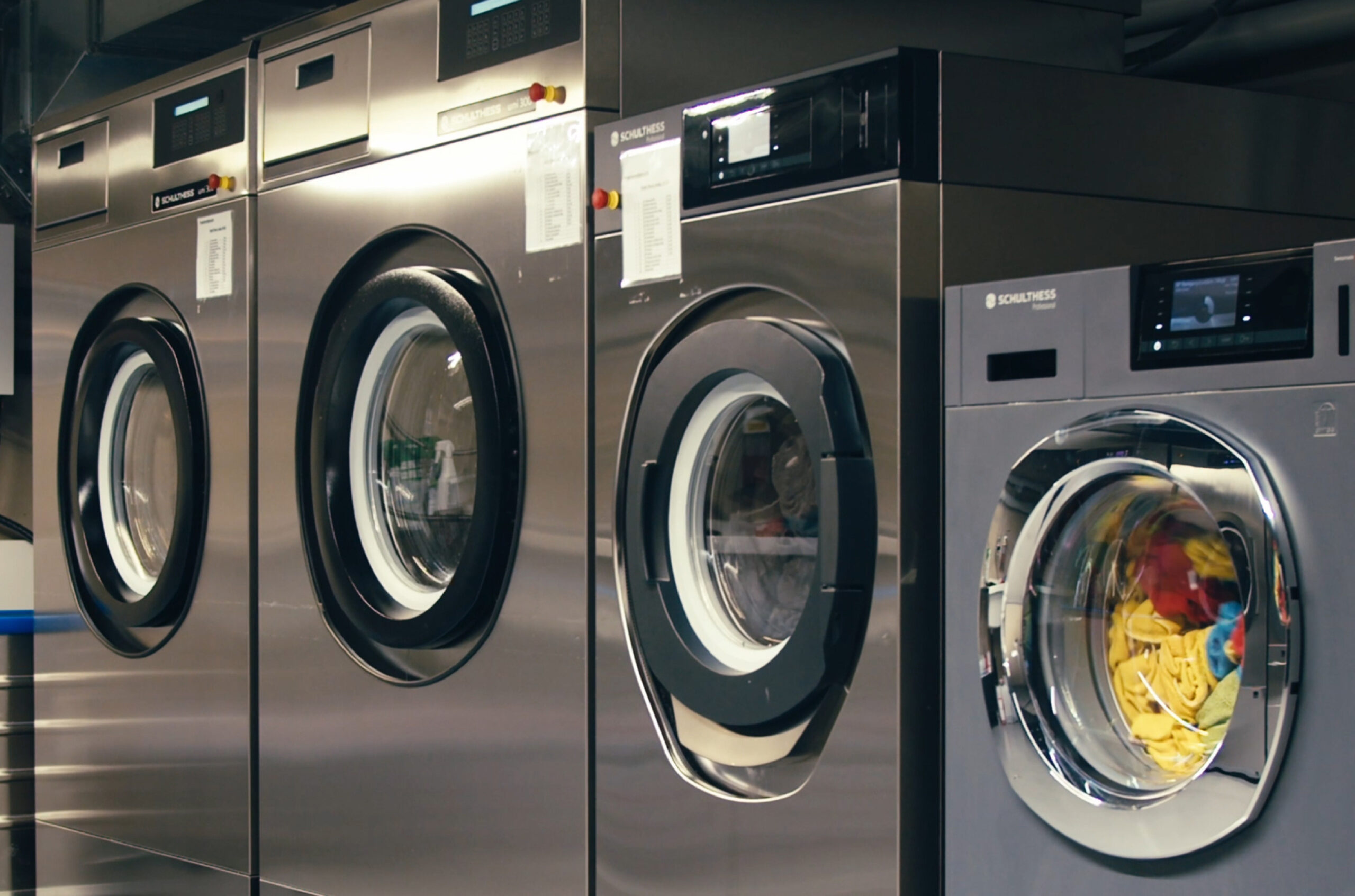
At the heart of most operations is an extra heavy duty commercial washer designed for continuous cycles, higher extraction, and long service life. These machines typically feature reinforced drums, industrial motors, heavy bearings, and robust suspension to cope with frequent starts, stops, and unbalanced loads common in real world laundry.
Capacity and programmability matter as much as durability. Larger washers reduce the number of cycles required, helping teams process linens, towels, uniforms, and PPE faster. Programmable wash formulas allow precise control of water levels, temperatures, dosing, and spin speeds. This improves cleaning quality while protecting fabrics and extending textile lifespan. High extraction speeds also reduce residual moisture, shortening dryer time and saving energy.
Commercial dryers and finishing equipment for faster turnaround
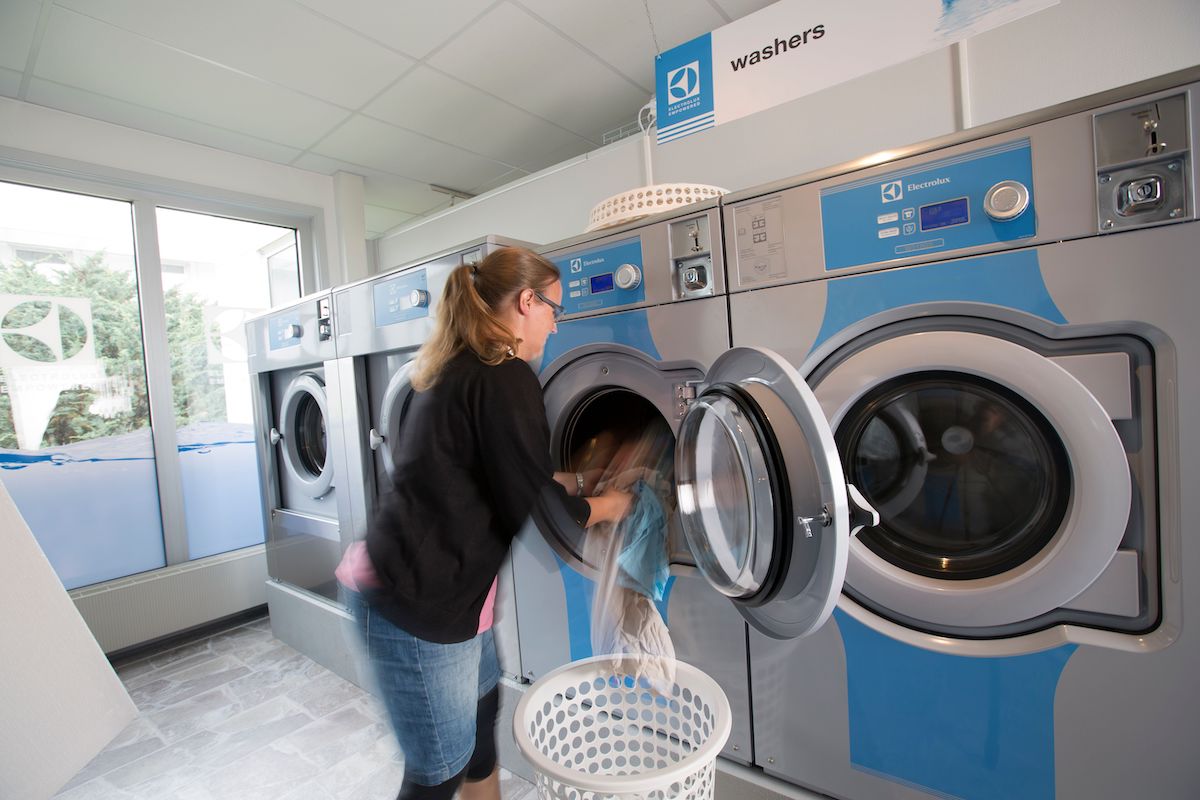
Industrial dryers are designed to match washer output so bottlenecks do not form during peak periods. High airflow systems, durable heating components, and moisture sensing help loads dry evenly and efficiently. When dryers are correctly sized for washer capacity, turnaround times improve and staff handling decreases.
Many facilities also benefit from finishing equipment that improves presentation and workflow. Ironers, presses, and folding stations support consistent quality for hospitality linen and uniforms. For operations with limited floor space, stacked dryers or modular layouts can increase capacity without expanding the footprint. Preventative maintenance routines, such as lint management and airflow checks, are essential for both performance and safety in high volume settings.
Choosing a complete laundry solution for your industry

The best laundry solution depends on your industry requirements, volume patterns, hygiene standards, and staffing model. Healthcare and aged care often require stronger infection control measures, with workflows that separate soiled and clean areas. Mining and industrial uniform laundry may demand robust handling for heavily soiled garments and thicker fabrics. Hospitality operations prioritize fast linen turnaround and finishing quality for guest experience.
When selecting equipment, consider total cost of ownership rather than only purchase price. This includes energy and water efficiency, parts availability, service support, warranty terms, and ease of operation. Modern controls with diagnostics can reduce downtime by flagging issues early, while training and standard operating procedures help teams load machines correctly and use the right cycles for each textile type.
Conclusion
Professional washers, dryers, and laundry solutions deliver the reliability and performance industries need to meet high demand without sacrificing quality. By investing in durable equipment, balanced capacity planning, and efficient workflows, businesses can improve throughput, reduce operating costs, and maintain consistent results across every load.